Wiring electrical thespruce terms wires
Table of Contents
Table of Contents
Have you recently purchased an older home with outdated electrical wiring? Are you looking to update your electrical system but not sure where to start? Don’t worry; you’re not alone. Many homeowners face the same challenge of dealing with old electrical wiring in their homes, and it can be overwhelming. In this blog post, we will explore Types Of Electrical Wiring In Old Homes, the challenges that come with it, and how to deal with them.
The Challenges Of Old Electrical Wiring
Older homes can have outdated electrical systems, which can be a safety hazard. Common issues include insufficient grounding, lack of ample electrical outlets, and outdated electrical panels, all of which can be costly to fix or replace. Old electrical systems can also lead to frequent power outages, fire hazards, and can make selling your home challenging.
Dealing With Old Electrical Wiring
The best approach is to have a licensed electrician inspect your home’s electrical system and provide recommendations on any necessary upgrades or repairs. Some common upgrades that may be needed include rewiring the entire house, installing new electric panels, adding new circuits, and ensuring proper grounding. While these upgrades may seem expensive, they are essential for ensuring the safety of your home and family.
Main Points To Consider
In summary, Types Of Electrical Wiring In Old Homes can be a challenge. It is crucial to have a professional electrician assess the state of your home’s electrical system and provide guidance on upgrading or repairing it. Upgrades may seem expensive, but they are necessary for your home’s safety and wellbeing.
Updating Your Electrical Wiring
Updating your home’s electrical wiring is an investment that can pay off in the long run. Not only will it ensure your family’s safety, but it can also increase your home’s value. When we purchased our home, we knew that updating the electrical wiring was a top priority. We hired a licensed electrician who provided us with a comprehensive inspection report and recommendations. We were able to update the electrical system and add additional circuits, which made a huge difference in our daily lives.
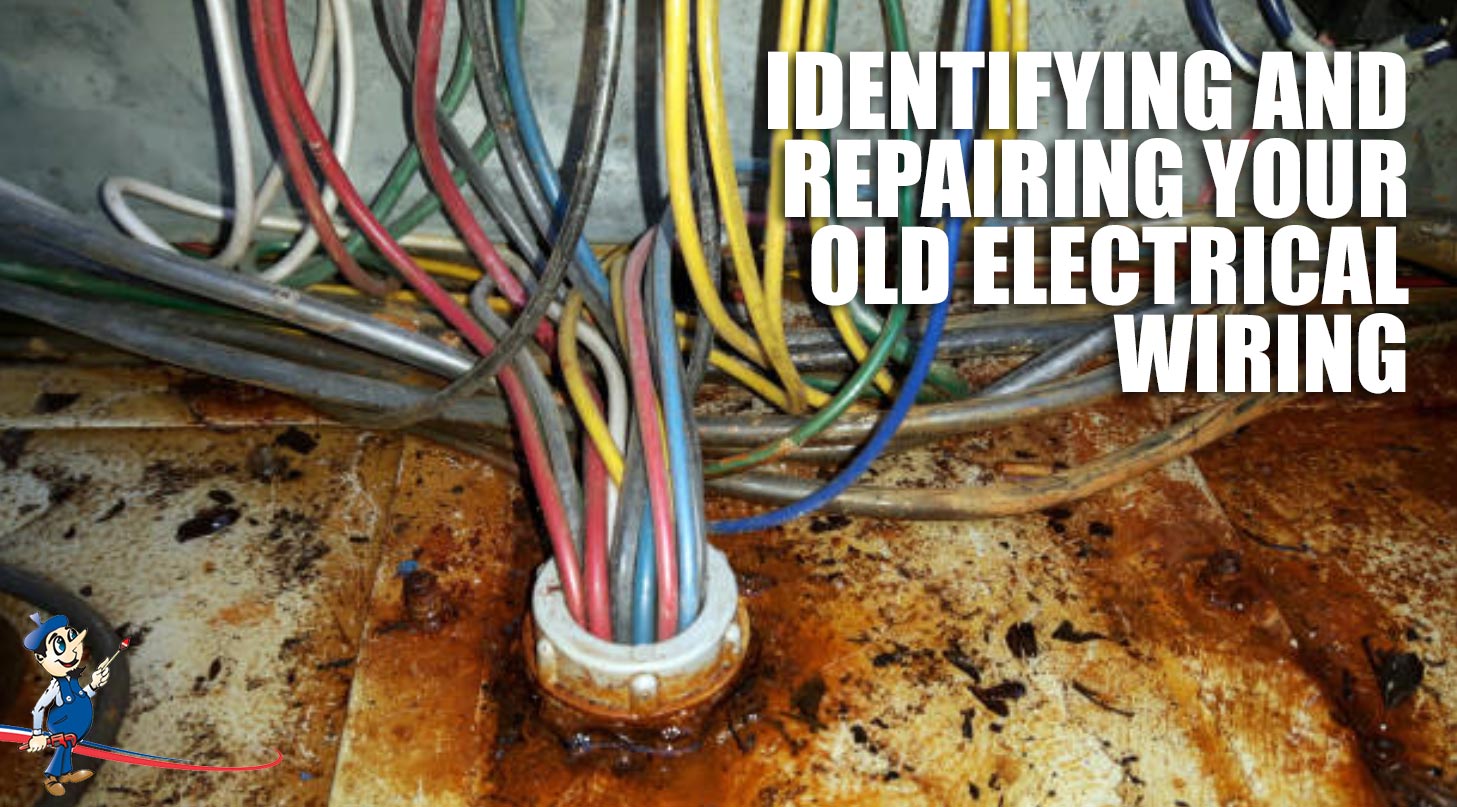 Don’t wait for something to happen before updating your home’s electrical system. Contact a licensed electrician and have your home assessed. You’ll be glad you did.
The Importance Of Proper Grounding
Proper grounding is critical for any electrical system to function correctly. In older homes, the grounding may not meet the current standards required by code, leading to electrical hazards. It is crucial to have a licensed electrician check your home’s electrical grounding and make any necessary upgrades or repairs.
 ### Debunking Wiring Myths
One common myth is that original wiring is always safe because it’s stood the test of time. This, however, is not true. Just because a house has old wiring doesn’t mean it’s safe. It’s essential to have it inspected by a licensed electrician and make the appropriate upgrades or repairs.
Protecting Your Home
Don’t wait for electrical hazards to happen before taking action. Schedule a home inspection with a licensed electrician and ensure that your home’s electrical system meets current code standards. Upgrading your home’s electrical wiring and ensuring proper grounding is an investment in your home’s safety and your family’s wellbeing.
 Question and Answer
Q: What are the most common types of electrical wiring in old homes?
A: The most common types of electrical wiring in old homes are knob and tube wiring, aluminum wiring, and fabric-covered electrical wire.
Q: Can I replace electrical wiring myself?
A: It is not recommended to replace electrical wiring yourself unless you are a licensed electrician. Installing electrical wiring can be complicated, and it’s essential to have a professional handle the job to ensure your home’s safety.
Q: Can I leave old wiring as is?
A: Leaving old wiring as is can be a safety hazard. It’s essential to have a licensed electrician assess your home’s electrical system and make any necessary upgrades or repairs.
Q: How often should I have my home’s electrical system inspected?
A: It’s recommended to have your home’s electrical system inspected every ten years by a licensed electrician.
Conclusion of Types Of Electrical Wiring In Old Homes
In conclusion, upgrading your home’s electrical wiring is a necessary investment in your home’s safety and your family’s wellbeing. Don’t wait for electrical hazards to happen before taking action. Contact a licensed electrician and have your home’s electrical system assessed. By doing so, you’ll ensure that your home meets current code standards and is safe for your family.
Gallery
Old K&T Electrical Wiring: Should It Stay Or Should It Go?
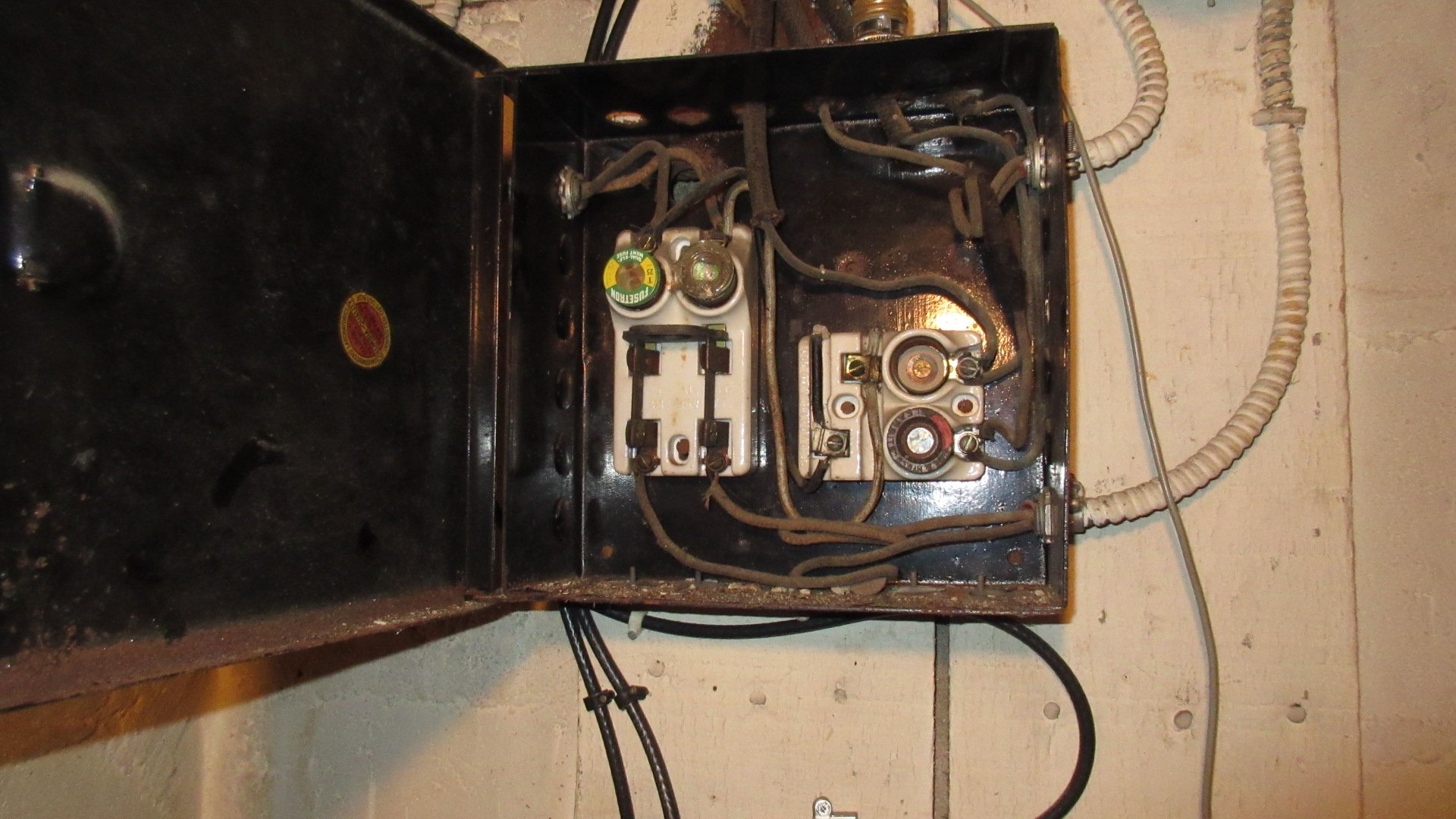
Photo Credit by: bing.com /
Types Of Electrical Wiring In Older Homes / History Of Old Electrical
Photo Credit by: bing.com / limitorque electricians
Old Electrical Wiring FAQs - Q&A On Types Of Electrical Wiring In Older
Photo Credit by: bing.com /
Electrical Wiring And Its Types – Instrumentation And Control Engineering

Photo Credit by: bing.com / wires instrumentation automationforum circuits
Is My Old Electrical House Wiring Safe? | House Wiring, Electrical

Photo Credit by: bing.com /
Identifying And Repairing Your Old Electrical Wiring
Photo Credit by: bing.com / electrical wiring old electric ac plumbing october problem
Types Of Electrical Wiring In Older Homes / Wires And Cables - Check

Photo Credit by: bing.com / wiring electrical wires imageservice
Types Of Electrical Wiring In Old Homes - Knob And Tube Wiring | The
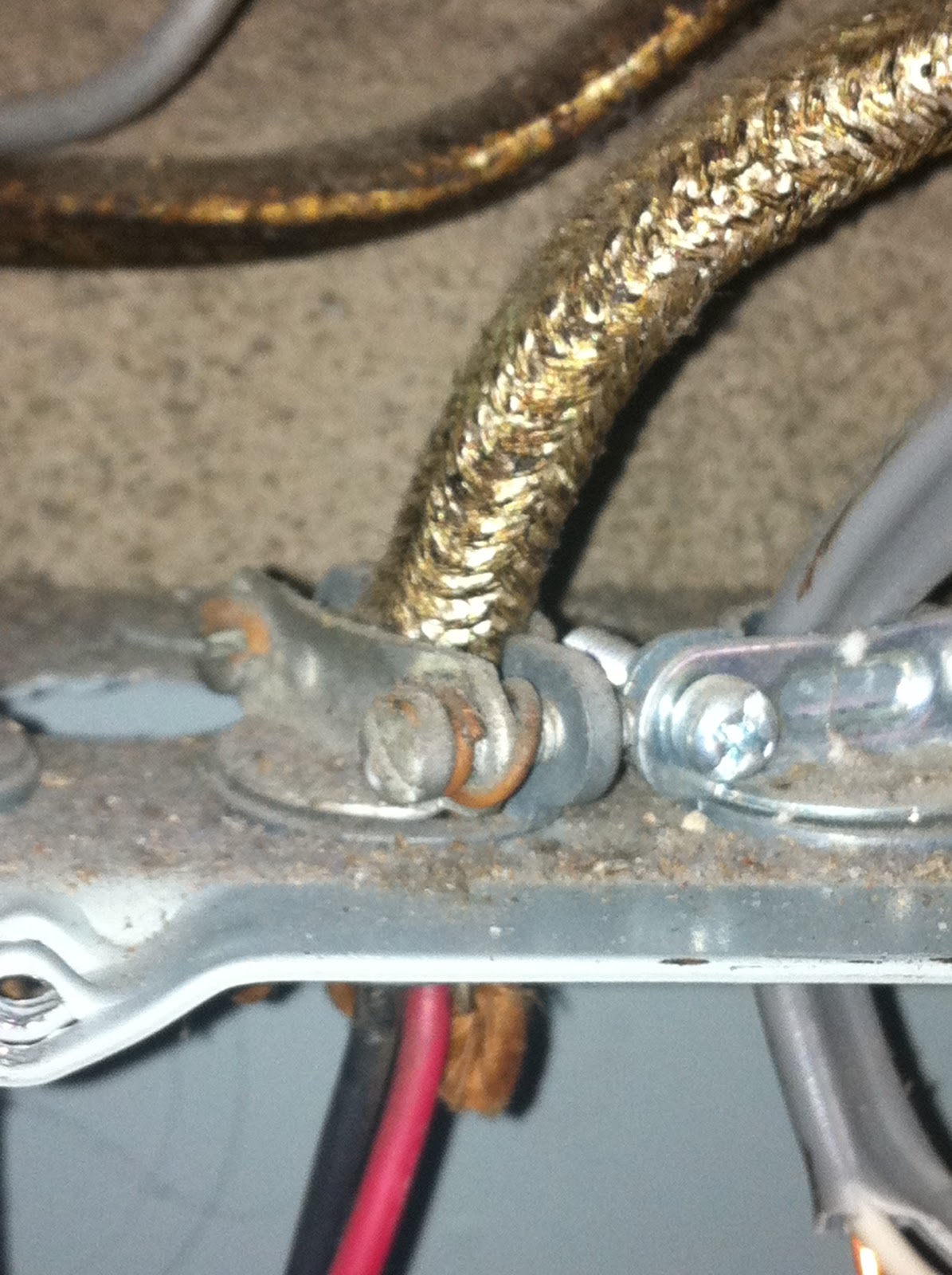
Photo Credit by: bing.com /
Types Of Electrical Wiring In Old Homes - Knob And Tube Wiring | The
Photo Credit by: bing.com / wiring electrical thespruce terms wires
The Older Home: Should You Update Your Electrical System? | Old Houses

Photo Credit by: bing.com / wiring old houses house types electrical homes older northjersey found knob tube type used